
Candide or the Ballet of Optimism (Extracts)
Compagnie Divertimenty
(Guillaume Jablonka, Irène Feste, Antonin Pinget)
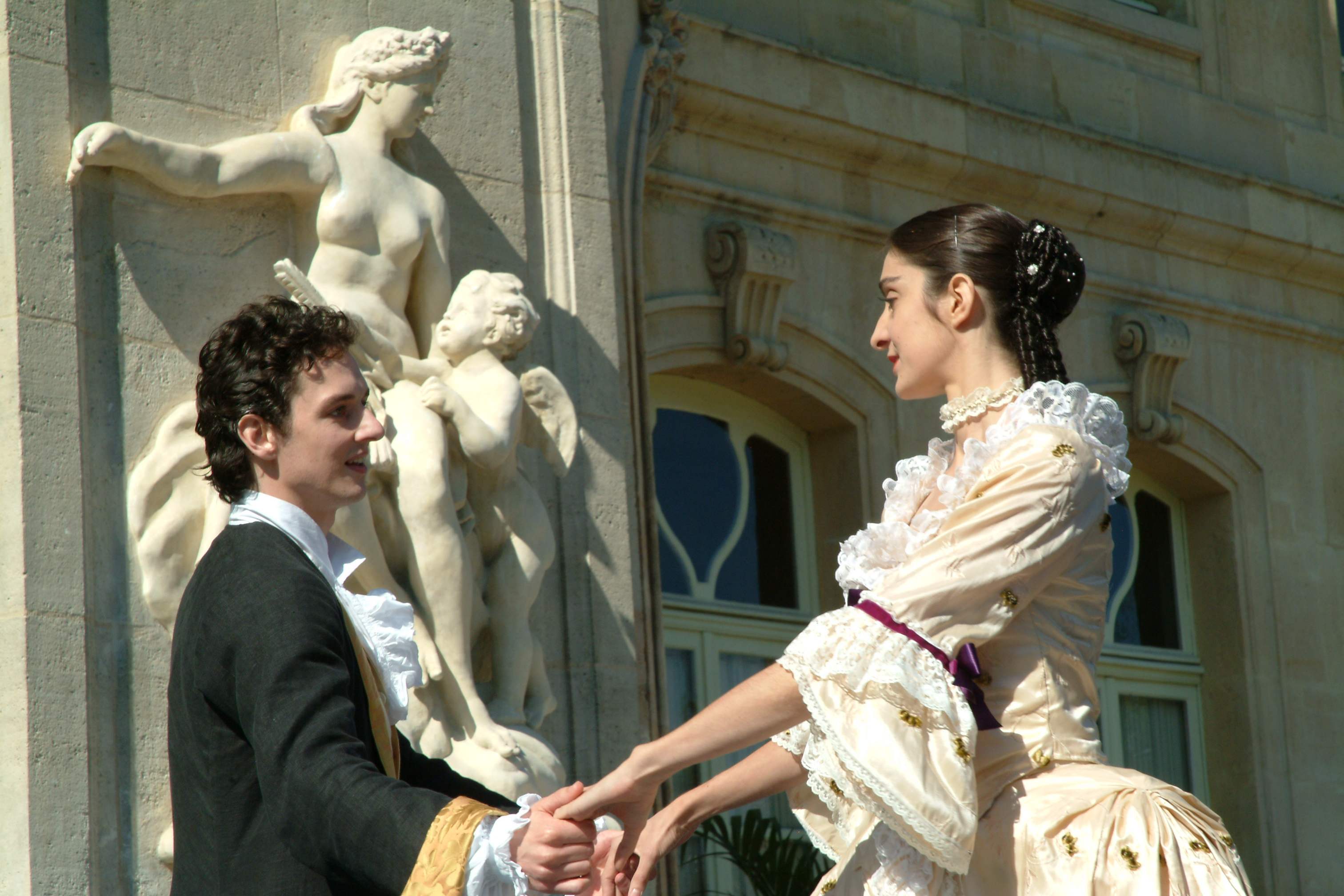 This creation in Dance and Theatre presents the travel story of a young lover where dance embodies the joy of each discovery. Dance does not have the ambition here to tell the story of Candide, nor even to illustrate flatly his adventures, but rather to make sensitive emotions that Candide is going through. It is a complementary dimension to the narrative tale. In the 17th and 18th centuries, the main reasons at the source of dancing on stage are joy and happiness of the exposed situation, a certain form of optimism that some ballet reformers want to challenge in the 18th century. This performance also suggests a return to the repertoire of the dances from the Baroque era which invite us to travel: the Allemande, the Spanish sarabande, the Venetian forlana... Based on Voltaire's work, this philosophical tale with interludes of music and dance builds the occasion for a distantiation from childish rejoicing towards a wise hope and also celebrates in 2026 the 20th anniversary of the company Divertimenty.
Guillaume Jablonka, Asnières sur Seine, France
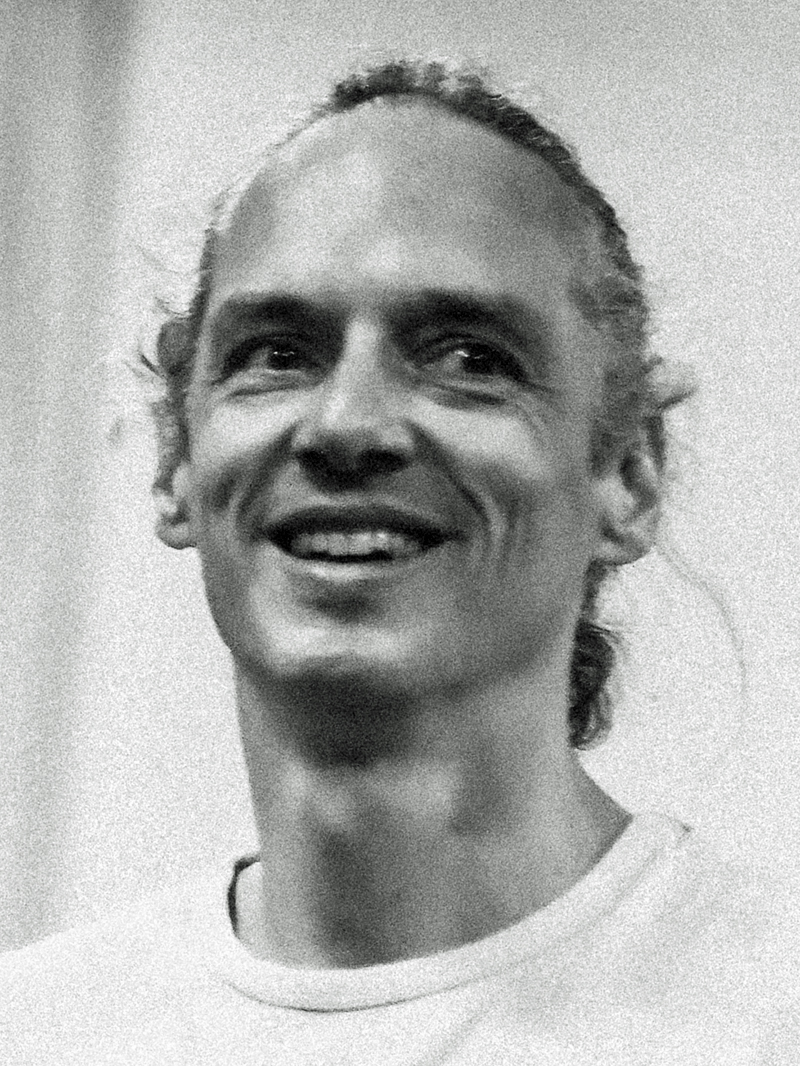 Guillaume Jablonka's career as a dancer took him to the Ballet du Nord (Roubaix), where he met Jean Guizerix and Wilfride Piollet, before incorporating their Barres Flexibles into his training and teaching. He discovered Baroque dance with Marie-Geneviève Massé's Cie l'Éventail and went on to found the Cie Divertimenty, creating Le Petit Chaperon rouge as a pantomime ballet (Festival Baroque de Pontoise) and Les Coulisses du Ballet vénitien (Opéra-Comique). At the same time, his research focuses on the reconstruction of dances notated during the eighteenth century, notably in the Ferrère manuscript. He has benefited from the Centre National de la Danse's Aide à la Recherche et au Patrimoine en Danse scheme in 2011 and 2020. As ballet master, he contributes to the practical application of the sources in performances at the Théâtre Molière Sorbonne.
Irène Feste, Arcueil, France
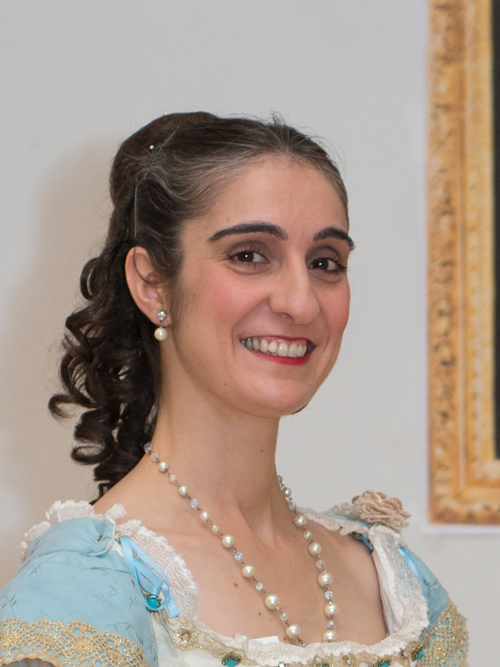 A dancer, choreographer and teacher specialized in early dance from the 16th to the 19th century. She trained in Baroque dance with Christine Bayle and her company L'Eclat des Muses. She has performed with several companies in France and Europe (Danses au (Pas)sé, Les Corps Eloquents, Divertimenty, Doulce Mémoire, Il Ballo...). She has choreographed for the theatre in productions by Pascal Ruiz and for the cinema (Les Trois Mousquetaires by Martin Bourboulon; Le Comte de Monte-Cristo by Alexandre De La Patellière and Matthieu Delaporte).
Her research focuses on the development of dance in the early 19th century, and has been awarded several research grants from the Centre national de la Danse: on the treatises of Jean-Henri Gourdoux-Daux, the notebooks of Michel Saint-Léon and on the quadrilles of Jean-Etienne Despréaux and his system of choreographic notation, La Terpsichorographie. This research was supported by the Centre National de la Danse, the Institut National d'Histoire de l'Art and the Bibliothèque nationale de France.
Antonin Pinget, Lyon, France
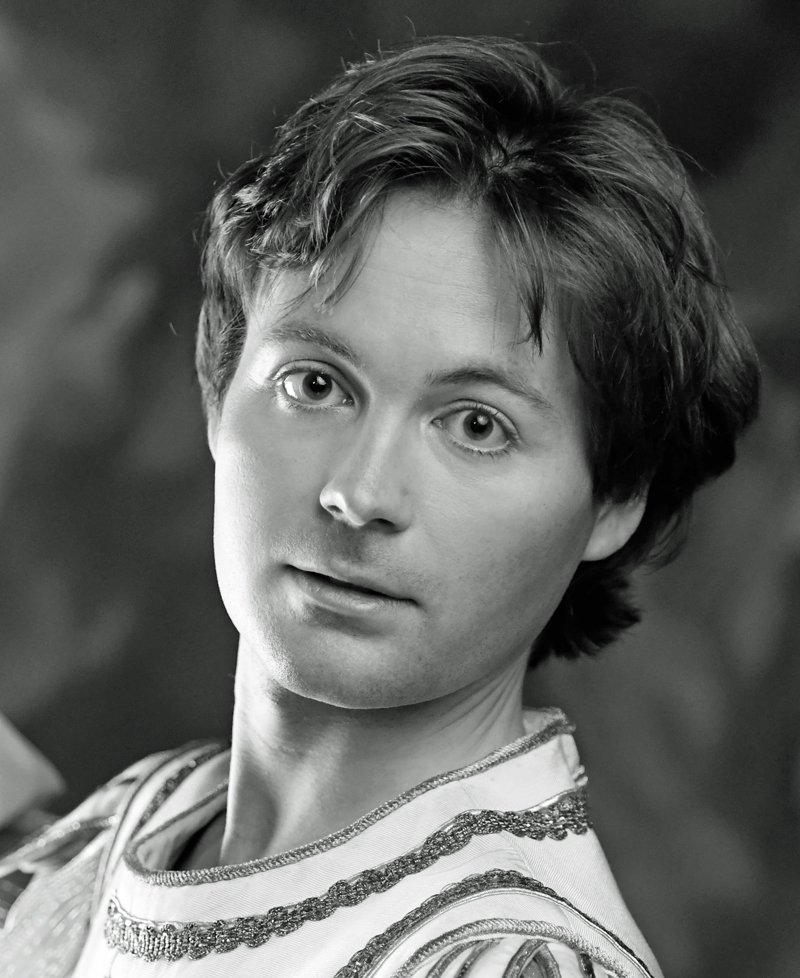 A multi-disciplinary dancer (contemporary, classical, ballroom, folk and tap), Antonin Pinget is a specialist in Early dance. He has worked with various companies (Renaissance, Baroque and 19th century) such as Les Boréades, Outre-mesure, Corpo Barocco, Les Corps Eloquents, HéliosKine, Divertimenty, JMB Compagnie and the Opera Royal of Versailles, as well as with orchestral ensembles such as Doulce Mémoire and Les Arts Florissants. Through his practice and research, he regularly gives masterclasses and workshops for amateurs, musicians and singers, notably at the HEM in Geneva and the CNSMD and CRR in Lyon. He is member of PRO DA (French Federation of Early Dance Professionals) and the CID (International Dance Council).
